
Many survivors find that life after abuse is hard. You may not know who to trust anymore. You may still be learning to trust yourself again. There is nothing wrong with you. Life after leaving an abusive relationship or situation can be confusing and hard to navigate. Breaking the patterns that kept you from harm is not easy, but with practice and compassion you can learn to trust yourself again.
What happened to you was not your fault. You are not alone.
Learning what and who feels good in your life can be the hardest part of healing. Here are some things that have worked for other survivors, and they might work for you too.
What Was Safe Is Changing
Once you begin to heal from trauma, you may start to notice that some people or situations just don’t feel right. These feelings are important. And learning to listen to them can provide good information.
Beginning to trust yourself again doesn’t happen all at once. Sometimes it can begin with noticing the warning signs in your relationships. If being around a certain person makes your heart race or your body feel tense, that can be a sign that this person may not feel safe for you right now.
Controlling behavior, manipulative behavior, and verbal threats can all show up in new relationships too, sometimes in ways that are hard to name at first. It is okay to say you are not up to spending time with people who make you feel nervous. You get to decide who gets your time and attention. That is what setting boundaries looks like. And deciding who gets access to you takes practice.
Some Things Are Harder Than Others
Deciding what and who feels right is your choice. There is no right or wrong answer. What you have endured formed your perception of the world around you. Coercive control and psychological abuse can affect the way you see yourself and the people in your life.
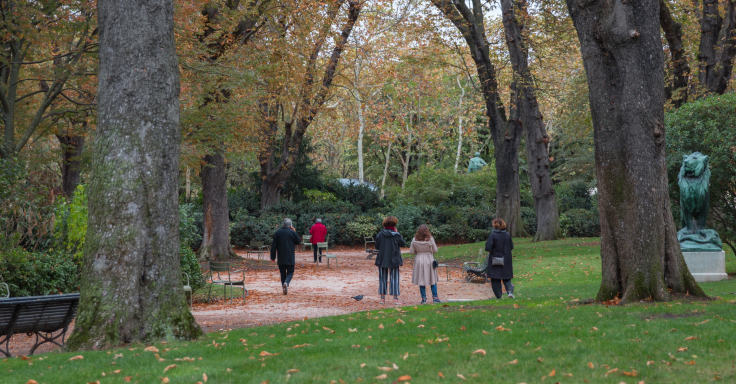
Even simple activities like taking a walk through a local park can be helpful for some survivors and deeply triggering for others. Certain places, smells, and sounds can bring painful moments to the surface without warning. These are common trauma responses, and they do not mean something is wrong with you. Healing is different for everyone.
Starting small is one way forward. Maybe instead of a walk through a park or your neighborhood, you begin by stepping outside for some fresh air. Little steps can add up. There is no rush. Your pace is the right pace. And when your body tells you something doesn’t feel right, try listening and see how that feels. Practicing self-compassion takes time and trust.
Community Can Help
Many abusers use shame and blame to take your power away. Finding community can help you take it back.
When you feel ready, connecting with other survivors might be helpful. You are not alone in what you have been through, and there are people who understand. Taking up space and sharing your story in a trauma-informed environment might be a helpful step toward reconnecting with yourself.
If you are in immediate need of support, the National Domestic Violence Hotline is available around the clock and can help with safety planning. Call them anytime at 1-800-799-SAFE (7233) for help.
It Is Okay to Say No
Many survivors share a common experience of people pleasing. Feeling afraid to say no to people or situations that don’t feel right is something survivors often recognize in themselves. So is the fear of canceling plans.
Practice saying no. Even if you say yes to start, it is okay to change your mind. Safe people will respect that. They will understand when you need to cancel plans to focus on your mental health. People who don’t respect that may not be the best for your energy right now. And the people who are worthy of your time will understand and support you.
Your Body Knows Before You Do
You can often feel that a situation is unsafe before you understand why. A pit in your stomach. Tight shoulders. A sudden urge to leave the room. For some survivors certain situations can bring on panic attacks or other trauma symptoms that feel overwhelming in the moment. These are not overreactions. This is your nervous system paying attention and trying to keep you safe. Learning to listen to your body and act when a certain person or place just feels off is part of healing. That information belongs to you. You do not have to explain it or defend it.
What Safe Can Feel Like
Safe can feel weird at first. Especially if unsafe is what you have known for a long time. But being safe also feels good. You don’t feel nervous or on edge. If you are around someone and you maybe even feel like you want to laugh or smile, those are good signs. Safe people do not pressure you. They are okay with your no. It may feel unfamiliar and that is okay. You are allowed to take your time figuring out who those people are for you.
It can also help to talk to trusted people in your life about where you are. Some survivors find it helpful to have a code word with a close friend or family member, a simple signal that lets someone know you need support without having to say it directly.
You Are Not Alone
Healing after abuse is not a straight line and it is not something you have to navigate on your own.
If exploring legal options feels like a next step for you, we can help. Even if criminal charges were never filed, there are civil options that can provide a path toward accountability. If you feel ready to talk about the next steps, we can help.
Stronger Than is here to connect you with support, resources, and a community of survivors who understand. When you are ready, we are here.